
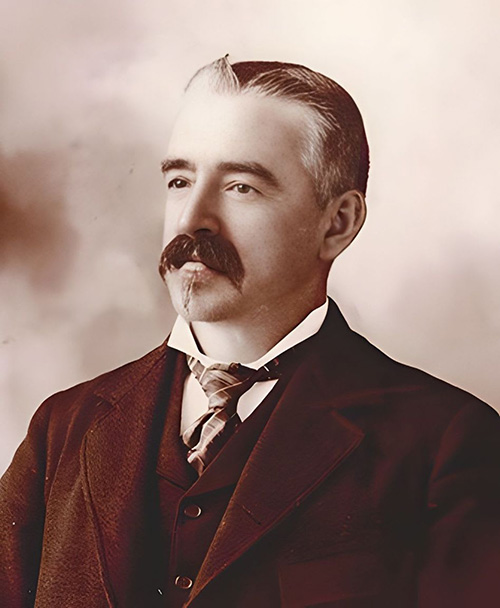

William Barr, 1850-1930
Image courtesy of Kim Haney
When we speak about early Marin County pioneers, we often think of John Reed of Mill Valley, William Richardson of Sausalito, and Timothy Murphy of San Rafael. Later contributors to the area’s history include Joseph Sweetser and Francis DeLong of Novato, Peter Donahue of the San Francisco and North Pacific Railroad, and Robert Dollar of San Rafael. Few know the name of William Barr, who at one time was one of the best known men in the county, and whose contributions to Marin are visible today.
William Barr came to San Francisco from Scotland in 1875, and soon settled in Marin County as a building contractor. He quickly gained an excellent reputation and was described in The Marin Journal of September 29, 1881, as “one of the best and most thorough master builders on the coast.” He was engaged by prominent real estate pioneer John Oscar Eldridge to build his elegant home at the corner of Fourth and Court Streets in San Rafael.
William Barr came to San Francisco from Scotland in 1875, and soon settled in Marin County as a building contractor. He quickly gained an excellent reputation and was described in The Marin Journal of September 29, 1881, as “one of the best and most thorough master builders on the coast.” He was engaged by prominent real estate pioneer John Oscar Eldridge to build his elegant home at the corner of Fourth and Court Streets in San Rafael.
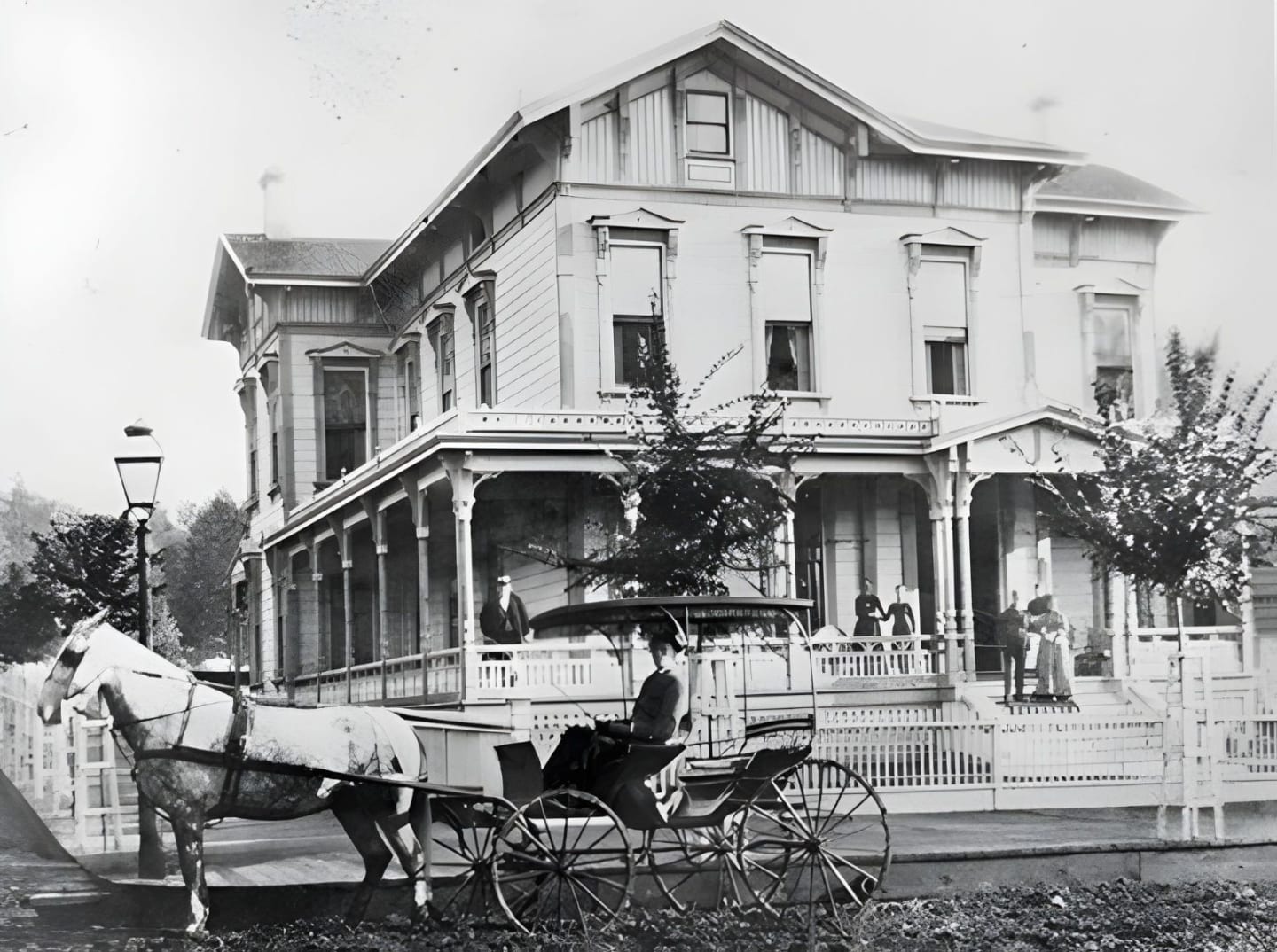
Eldridge Home at the NE corner of 4th & Court (MHM Collection)
In 1890, he was announced as the one of the builders of Montgomery Hall and Scott Hall at the San Francisco Theological Seminary, in charge of wood construction and selection of the blue rock quarried in San Rafael. Soon after, he was contracted to oversee the construction of the First Presbyterian Church at 5th Ave. and E Street in San Rafael.
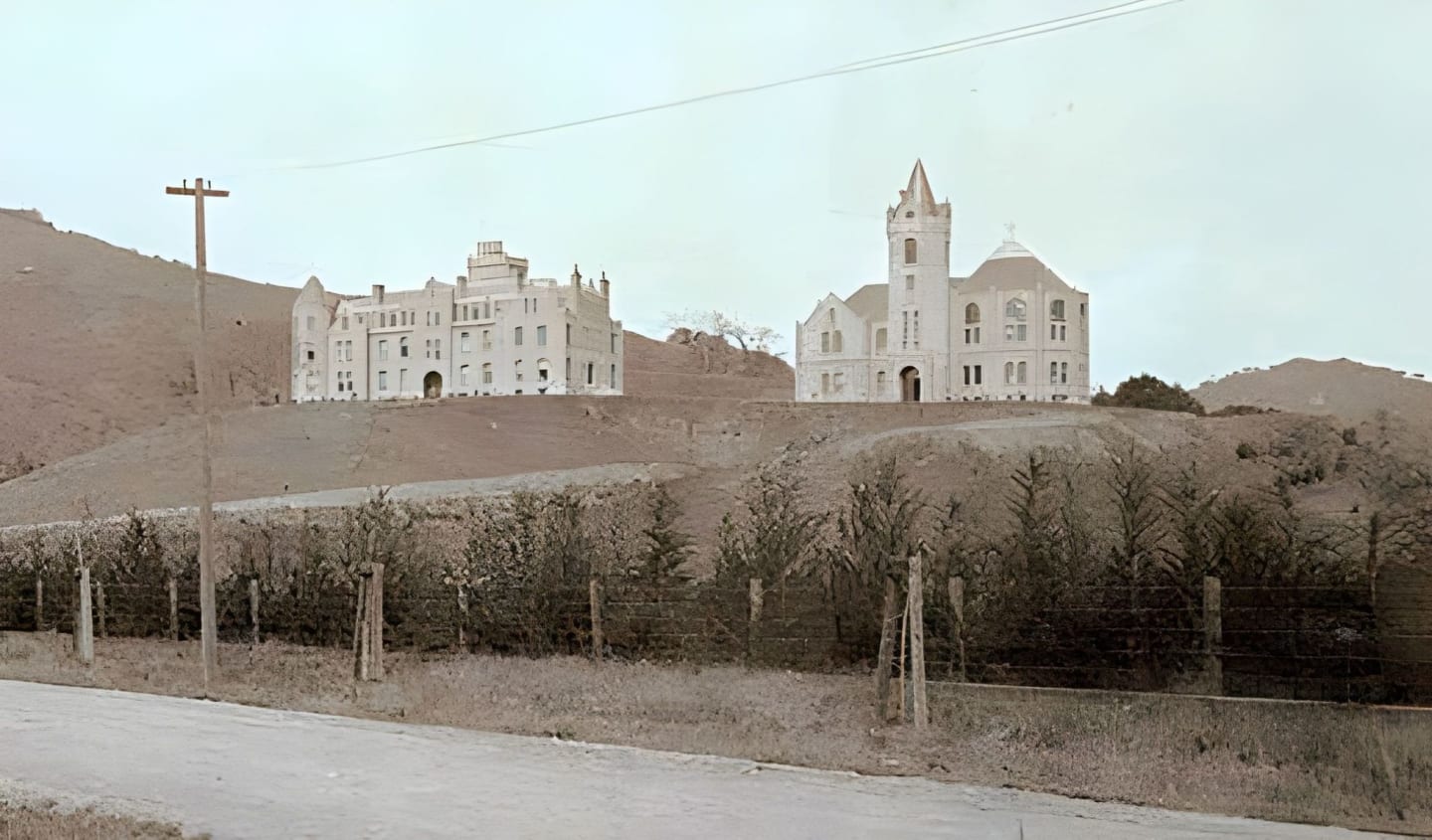
Montgomery Hall (left) and Scott Hall (right) of the San Francisco Theological Seminary
in San Anselmo
(MHM Collection)
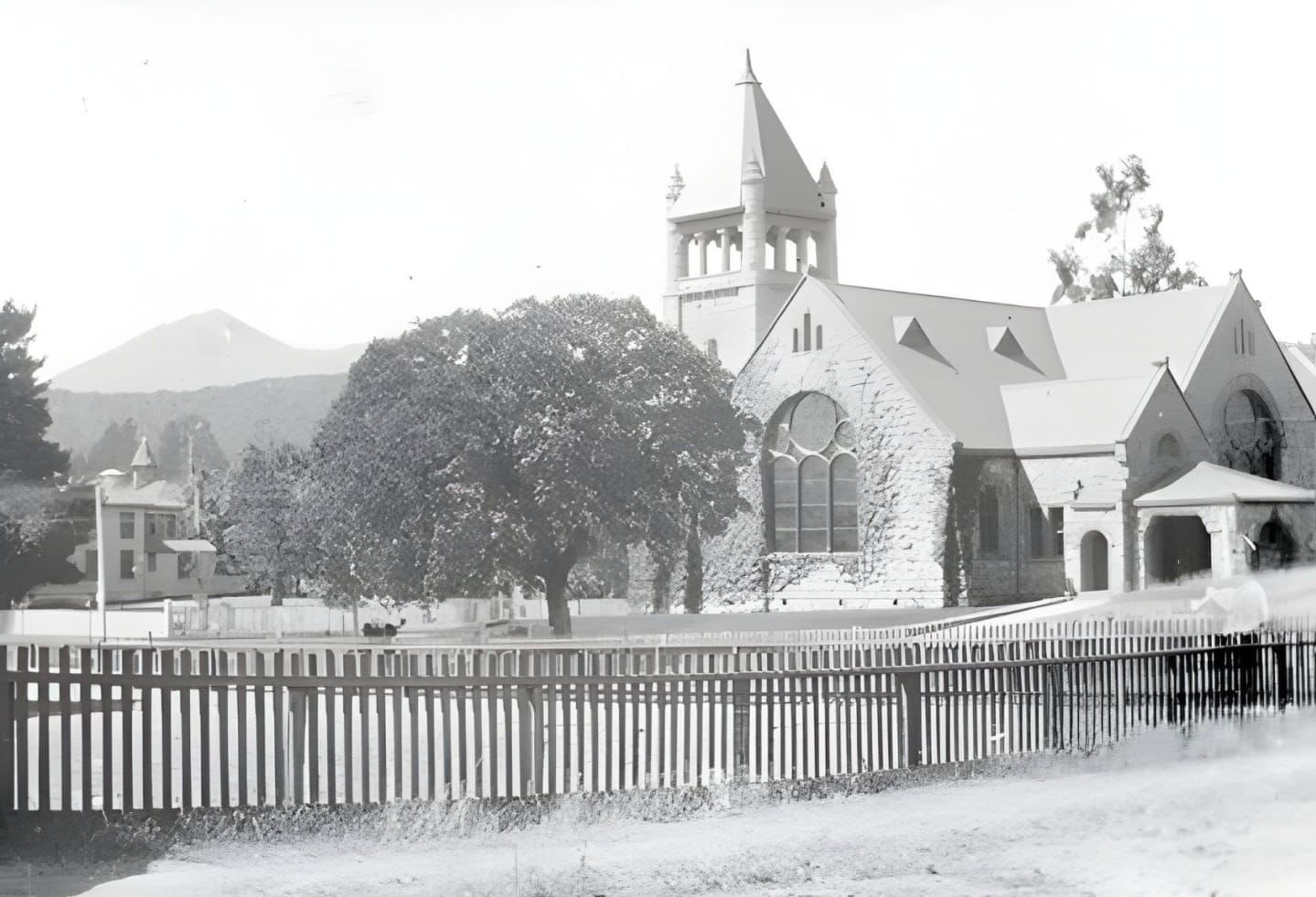
First Presbyterian Church, San Rafael (MHM Collection)
In March of 1883, William Barr joined seventy-nine distinguished citizens of San Rafael in signing a widely circulated petition published in the Marin Journal. Among the notable names attached were Alexander Forbes, William T. Coleman, Maximilian Herzog, and Louis Gerstle. Their appeal urged the San Rafael Water Company to resolve the increasingly contentious “water question” by increasing its rates in exchange for securing a dependable and plentiful water supply for the approaching dry season.
The San Rafael Water Company had been founded in 1869, during a period when the growing community demanded more reliable infrastructure. A few years later, William T. Coleman established the Marin County Water Company after acquiring rights to Lagunitas Creek and constructing the dam that formed Lake Lagunitas — the first reservoir in the region’s water system.
The San Rafael Water Company had been founded in 1869, during a period when the growing community demanded more reliable infrastructure. A few years later, William T. Coleman established the Marin County Water Company after acquiring rights to Lagunitas Creek and constructing the dam that formed Lake Lagunitas — the first reservoir in the region’s water system.
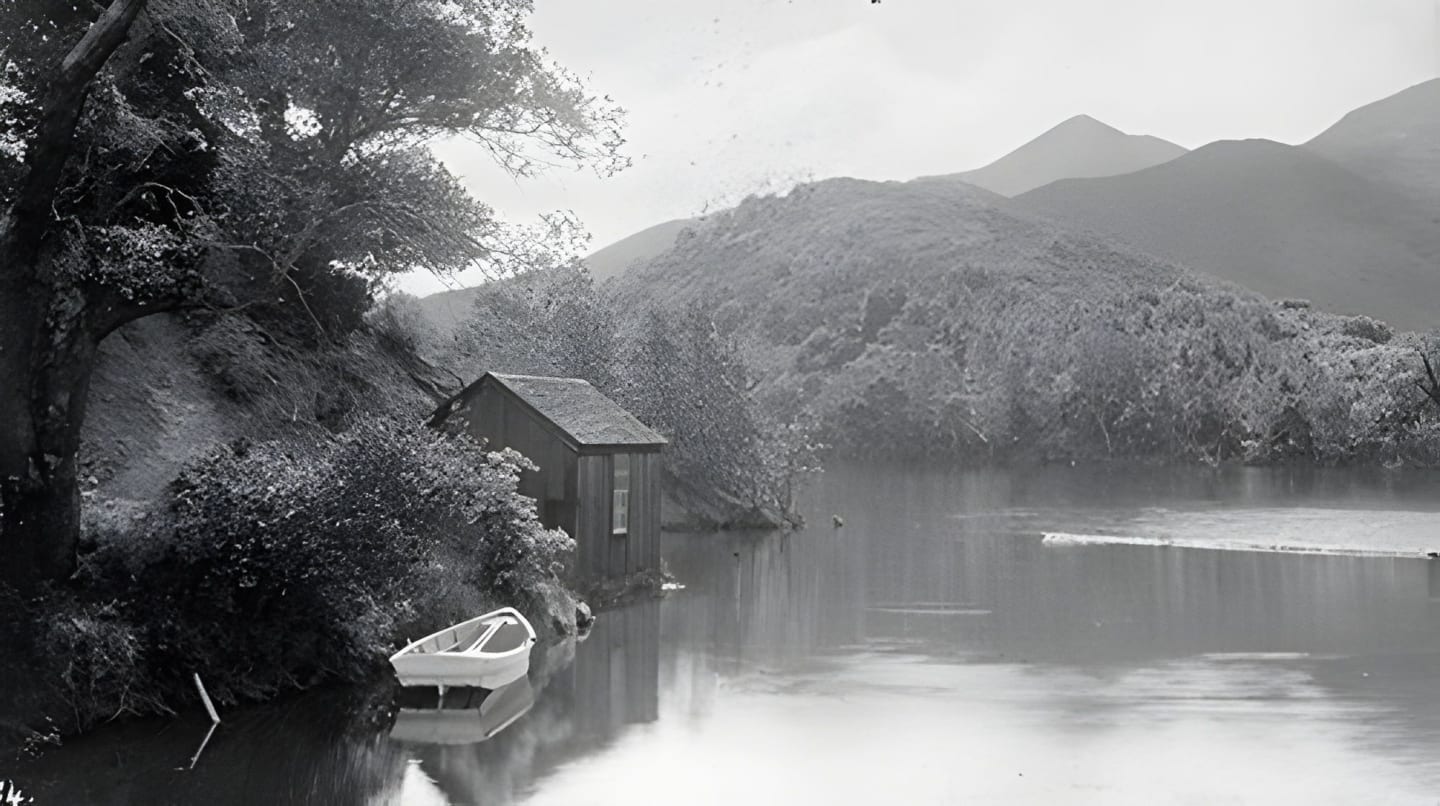
Lake Lagunitas, ca. 1900 (MHM Collection)
Coleman eventually acquired the San Rafael Water Company as well, consolidating control over much of the county’s developing water network. In 1897, William Barr was appointed superintendent of the Marin County Water Company, a post he maintained for fifteen years. His tenure continued until 1912, when the creation of the Marin Municipal Water District ushered in a new era of publicly managed water service for the county.
William Barr was elected to the Marin County Board of Supervisors in 1894, serving as representative for District No. 1, which covered San Rafael. The Marin Journal of November 1, 1894, stated “a journalist with a conscience hesitates to commend a man for the office of supervisor unless he is sure he is right. But if we had the sole responsibility of choosing that officer for the 1st district, we should without hesitation name William Barr. There is not a phantom of a;chance to make a mistake in that. He has judgment and experience in the needs of the district and the business snap to supply these needs, and do it economically. That's the kind of a supervisor we want, and that's what Barr will be, and he will be a bar against all frittering and jobbery.” He served until 1903.
During his first tenure as Supervisor, he oversaw work on the road leading from San Rafael to Point San Pedro. In April 1901, a reporter for the Journal witnessed Barr himself working the road grader pulled by six horses that leveled the road to the McNear Ranch. In 1904, the Board of Supervisors asked for bids for construction of the Point San Pedro Road from East San Rafael to Point San Pedro, a job that was finally completed in 1922. It was described as “1 inch thicker and a foot wider than the State Highway.”
William Barr was elected to the Marin County Board of Supervisors in 1894, serving as representative for District No. 1, which covered San Rafael. The Marin Journal of November 1, 1894, stated “a journalist with a conscience hesitates to commend a man for the office of supervisor unless he is sure he is right. But if we had the sole responsibility of choosing that officer for the 1st district, we should without hesitation name William Barr. There is not a phantom of a;chance to make a mistake in that. He has judgment and experience in the needs of the district and the business snap to supply these needs, and do it economically. That's the kind of a supervisor we want, and that's what Barr will be, and he will be a bar against all frittering and jobbery.” He served until 1903.
During his first tenure as Supervisor, he oversaw work on the road leading from San Rafael to Point San Pedro. In April 1901, a reporter for the Journal witnessed Barr himself working the road grader pulled by six horses that leveled the road to the McNear Ranch. In 1904, the Board of Supervisors asked for bids for construction of the Point San Pedro Road from East San Rafael to Point San Pedro, a job that was finally completed in 1922. It was described as “1 inch thicker and a foot wider than the State Highway.”
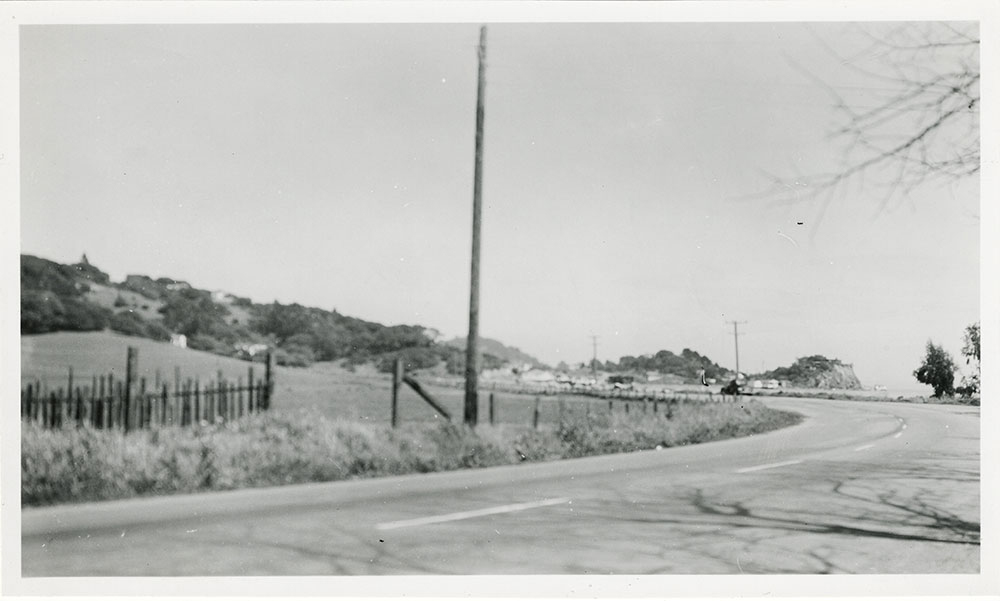
Point San Pedro Road, looking east towards Chicken Point, 1912 (MHM Collection)
After a period away from office, he returned to public service in 1918, once again winning election to the Board of Supervisors. During his second tenure, Barr advocated for the opening of Eldridge Grade to automobiles, which would have created a continuous route through the mountain’s scenic areas; however, the proposal failed to gain the approval of the Marin Municipal Water District.
In 1879, William Barr married Miss Amelia Lang of San Rafael, and they had seven children. Their oldest son, Dr. Thomas Ira Cook Barr, was named in honor of noted San Rafael resident Ira Cook, grandfather of famed Arctic explorer Louise Arner Boyd. Their daughter Agnes married John Harold Dollar, son of local industrialist Robert Dollar of Falkirk Mansion, and their daughter. Barr's granddaughter Nancy Barr Ferguson, married Robert Dollar’s grandson, Robert Stanley Dollar, making the two families more deeply connected.
William Barr died on March 14, 1930, and his funeral was held at the First Presbyterian Church in San Rafael that he had built.
I would like to thank Kim Haney, great-granddaughter of William and Amelia Barr, for the use of the portrait of William Barr, and resources used in writing this article.
In 1879, William Barr married Miss Amelia Lang of San Rafael, and they had seven children. Their oldest son, Dr. Thomas Ira Cook Barr, was named in honor of noted San Rafael resident Ira Cook, grandfather of famed Arctic explorer Louise Arner Boyd. Their daughter Agnes married John Harold Dollar, son of local industrialist Robert Dollar of Falkirk Mansion, and their daughter. Barr's granddaughter Nancy Barr Ferguson, married Robert Dollar’s grandson, Robert Stanley Dollar, making the two families more deeply connected.
William Barr died on March 14, 1930, and his funeral was held at the First Presbyterian Church in San Rafael that he had built.
I would like to thank Kim Haney, great-granddaughter of William and Amelia Barr, for the use of the portrait of William Barr, and resources used in writing this article.